 I young film maker who is interested in me becoming his cinematographer or possible technical director has recommended I look at a series of films. The other night I watched an interesting film called STRANGER THAN PARADISE. This film has kind of been on my mind for the past couple of days. Visually the film had a stunning quality to it. It was like looking at a gallery of stark black and white photo-documentary style images, which came to life. The entire movie was a series of one take, single camera scenes of the extraordinary caliber. The film was directed by Jim Jarmusch and came out in 1984 and I could not tell if Jarmusch was genius in its conception or just being artistic for conceptual sake. When I think the real brilliance of the film belongs to his cinematographer Tom DiCillo. The actors verged on believable naturalistic to crossing into distraction. There seem to be no plot, character motivation, or story line; but somehow that all seemed arbitrary to what the film was actually about. I was utterly captivated the duration of the film by the visual boldness of the project. The images were well composed, mostly naturalist lighting, with an authentic feel for timeless realism. There were a couple of sequences that were utterly brilliant to watch.
The entire experience took me back to my beginning days when I was first getting into photography when this was my own style of shooting. To be able to tell a story visually within the context of your frame. In the beginning I only shot black and white, processed and printed myself. It’s what captivated and fascinated me about photography to pursue it as an art form. When I first started I always carried my camera with me and shot everything around me. Recording my world, exploring my relationship to place, mood, and tone. It was always about my emotional feeling; I felt in this time and space much like an image by Brassai. I love those kinds of images. During this period most of my images were devoid of people and focused mostly on place and feeling. Granted if I were to go back and look at those images again, they may reveal a certain romantic naïveté as a beginner just exploring the parameters of his newfound tools. But the world around me seemed to come alive.
Later that evening, I dropped in on a friend on the north side of town. It was one of those remarkable evenings, after so much rain and cold that everyone was outside soaking up the last rays of the day. The sun was just setting with the extraordinary glow in the air. I was suddenly captivated by everything I saw. I began to visualize it in the old black and white images of how I used to shoot. I was like I had stepped back in my own history. Suddenly that entire neighborhood became a series of remarkable images. I was drawn out of my car and began to wander that old neighborhood. My senses were keenly sharpened with shape, texture, and tone into a heightened sense of remarkable beauty. The light was absolutely perfect. The only thing missing was my camera. There were so many stories to be told, dirty children playing in the street, two guys getting stoned by a car in their backyard, the beautiful impressionistic qualities of the lilacs blooming as if in a Monet garden. Texture, structure, old, new, blending seamlessly. Mystery filled my head as I wondered. When did I get away for shooting such remarkable feeling?
 Yesterday I got so busy that I was unable to ever get to this project. It is the first day I have missed since I began it at the beginning of the year. I just couldn’t bring myself to sit at the computer on such a nice day. It was such an incredible morning that Glenn and I decided that we would work on planting our community garden space. A neighbor, Greg a couple of blocks up, has a big garden space that he is unable to use. He recently had some back issues and can’t work it. So this year several of us have decided to take on the space and continue to use it. Gardens should have been planted by now; the general rule for Montana is mid May. Glenn and Greg prepped the garden mid May, but with the flurry of activity and cold rainy weather we never got around the planning it. We spent the morning looking for starter plants and seeds we knew would sprout and mature early. It was an incredibly sunny morning; probably the warmest day we have had so far. It took into most of the morning and into the early afternoon to get everything sown and planted.
 We may indeed be getting summer here in Montana. I have never seen so much rain in this part of the country. The snow pack still has not melted from the mountains yet, the rivers are high and we are expecting record flooding within the next month. But for today I am getting outside and enjoying every moment of the beautiful morning. This morning I write from my garden. The shade plants are thriving with all the rain as it becomes lusher with each passing season. It takes three years for a garden to take hold. The first year is to establish, the 2nd year is to adapt, and the third year is to flourish. This is the 2nd, and next year it will be spectacular, not that it isn’t already. I am more of a believer in perennials and just add a few annuals for just a splash of colors and give it a slightly different look from year to year. I mostly use organic compounds to renew and enrich the soils. My garden is the place where I can lose all track of time. It is ever changing, ever evolving, just like me. I see my gardens as a wondrous sculpture of nature where I completely feel at home.
 Today my life feels like a desperate Tom Waits song. It has rained hard for two days solid and my mind is drifting in the past. Somehow Kelly’s passing last week is pulling me back home to the small town of Superior. I have been visiting that time in my head for the past week or so as I am trying to piece my fragmented life since that period into some sort of perspective. Our small town is still a bit shattered from the incident. I talked to one of my co-workers, a driver at UPS, who is also from there and about our age, and still covers that route. It stirs our hearts to think how both sides of a tragedy are deeply impacted, and it has a ripple effect into many lives. It’s not like we are strangers there and the influence is from the outside. All parties are from the same community, most of us knowing each other most of our lives. I will help Kelly’s daughter, Jesica, begin this week piecing images of her mothers life together for a memorial next Saturday. I feel such pain in that family
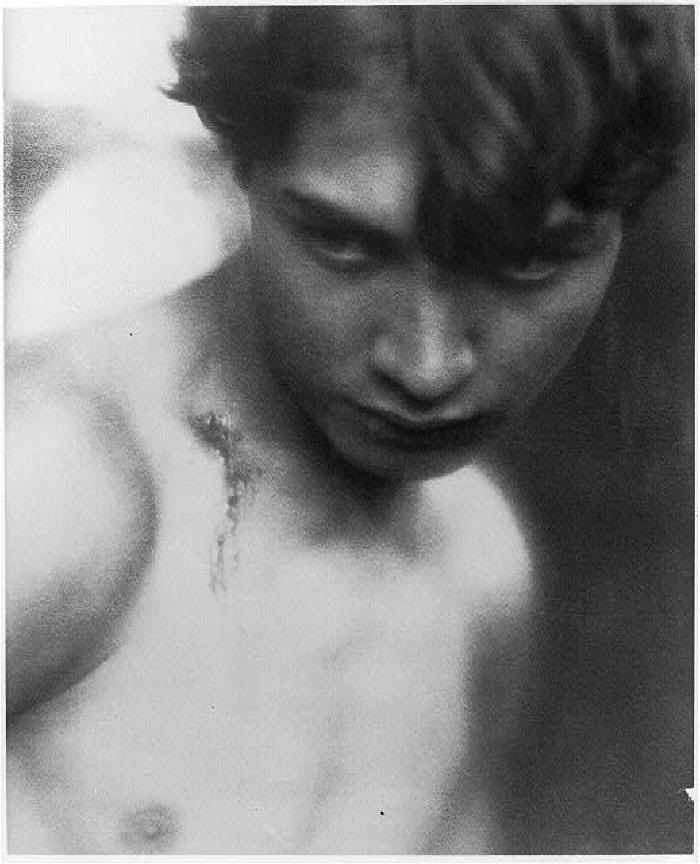
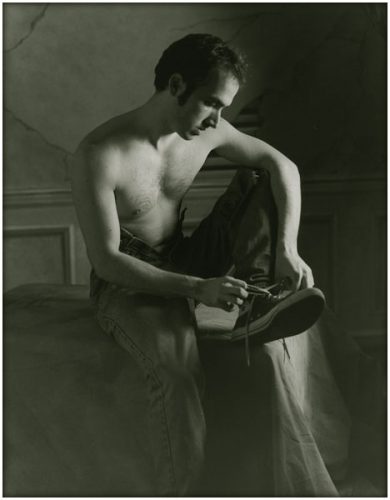
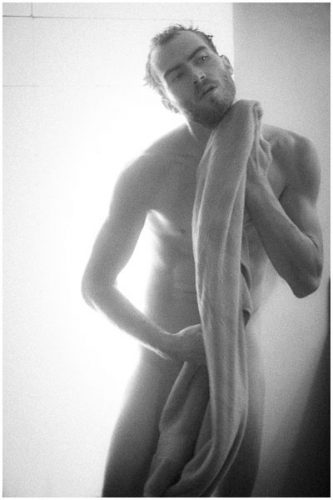 Up until 1902, photography had been concerned mostly with the ability to capture the reality of life, as a simple means of recording ordinary life as it naturally existed. Matthew Brady captured and documented the aftermath of Civil War battle sites and brought a reality to its viewers. Eadweard Muyrbridge managed to record that all four hooves of the horse could indeed leave the ground when it galloped. Historical travel places, horticulture, and etymology were being documented and cataloged. Through photography was a new wonder medium, it lacked artistic flexibility. Toward the end of the 1800’s there began a new movement in photography. It began among collectors of fine art, mostly of paintings, who wanted to move the realism of photography toward more of an art. They began to explore with the principals and theories of classic design and composition that had been developed by painters for centuries to begin to control and manipulate the photographic frame. They also refined new processes to give the images more of a painterly quality, often softer, becoming concerned more with the emotional impact their images would have on the viewer. Photography began to move in a whole new direction known as “pictorial” quality. It began with landscapes and eventually worked into portraits. Yesterday I mentioned a moment called The Photo-Secession, which was made up of a group of photographers brought to prominence by Alfred Stiegliz who owned a Saloon in New York and began to show images of this nature. Those photographers like himself, Edward Steichen, Gertrude Kasebier, Clarence H. White and of course Fred Holland Day (bottom right image) began to flourish and began to revolutionize the movement of photography into a more artistic format. Instead of the photograph dictating the parameters from which it could capture it put that control into the hands of the person taking the picture. Suddenly the photographer had artistic choices on how the image would eventually look. They could control the feel in texture and tone. Photography could finally evoke the expression of the photographer’s feelings and emotions to the viewer as painting had always done before.